
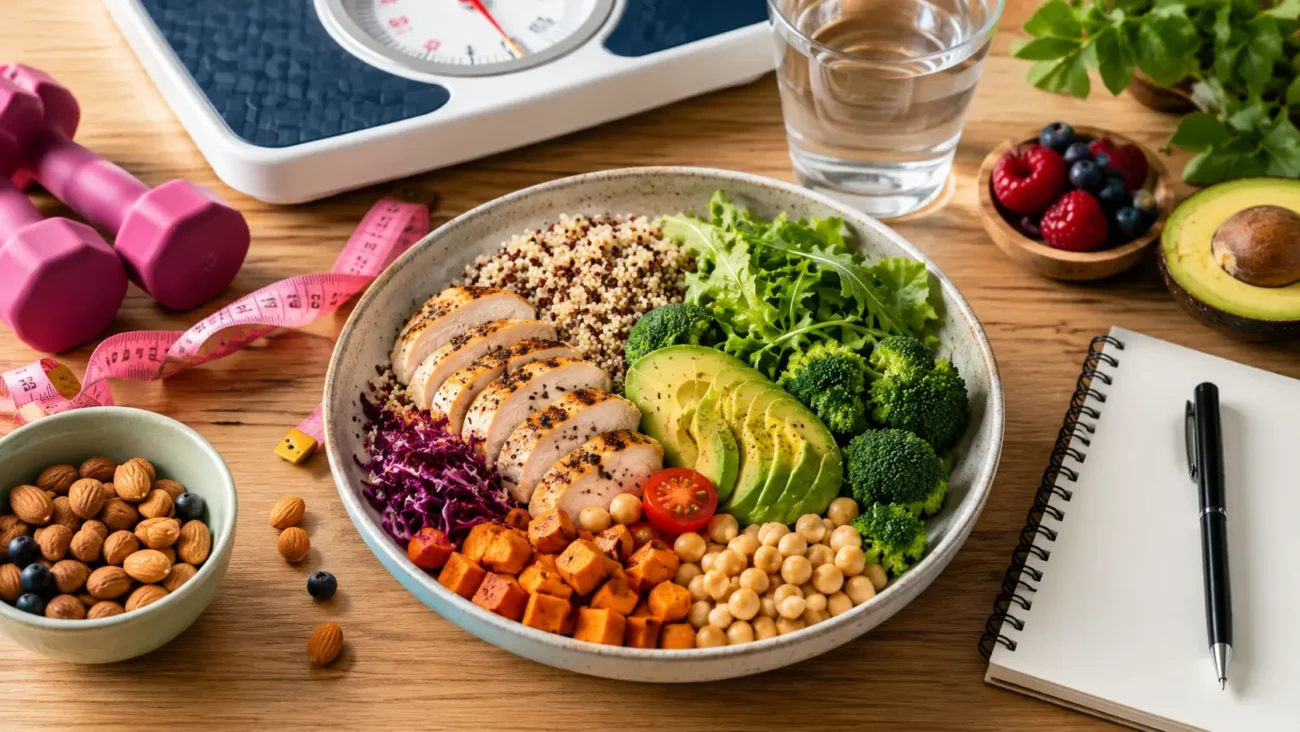
Finding the best diet for sustainable weight loss can feel overwhelming with so many conflicting trends out there. In this simple guide, we break down science-backed eating plans for 2026 that actually deliver long-term results without strict restrictions.
If you’ve searched for a diet plan lately, you already know the problem: everyone claims to have the answer. Keto, fasting, high-protein, low-carb — the list never ends, and half of them contradict each other. So let’s cut through it. Based on the latest 2026 research and expert reviews, the “best” diet isn’t one single plan. It’s the eating pattern you can actually stick with, week after week, without feeling like you’re punishing yourself. This guide breaks down what really works, backed by real research, in plain everyday language.
Why Most Diets Fail (And It’s Not Your Fault)
Here’s something most diet ads won’t tell you: the problem usually isn’t willpower. It’s the plan itself. Diets that cut out entire food groups or drop your calories too low tend to work for a few weeks, then backfire. You lose water weight fast, get hungry and tired, and eventually go back to old habits — often gaining the weight back. Health experts now widely agree that extreme restriction rarely leads to results that last. The eating pattern that works is the one that fits your normal life: your schedule, your budget, your culture, and your food preferences.
Best Diet for Sustainable Weight Loss: What Science Says
A panel of doctors and nutrition experts reviewed dozens of diets for 2026, and a few kept rising to the top for both safety and results.
1. The Mediterranean Diet — Still the Gold Standard
Year after year, the Mediterranean diet keeps winning top spots from health experts at authority sources like Harvard Health, and for good reason., and for good reason. It’s simple: lots of vegetables, fruit, whole grains, beans, nuts, olive oil, and fish, with red meat and sugar kept to a minimum. It’s not about counting every calorie. It’s about swapping processed food for real food most of the time. Research consistently links it to a healthier heart, better blood sugar, and steady, lasting weight loss — not the fast-and-gone kind.
2. The DASH Diet — Built for Heart Health, Great for Weight Loss Too
DASH was originally designed to lower blood pressure, but it works well for weight loss too. It follows the same basic idea as the Mediterranean diet: real food, more plants, less salt and sugar. If you have a family history of heart issues or high blood pressure, this one’s worth a closer look.
3. The Flexitarian Diet — Mostly Plants, No Strict Rules
This one’s exactly what it sounds like: mostly plant-based, with occasional meat and animal products allowed. It’s popular because it doesn’t feel like a diet. There’s no list of forbidden foods, which makes it much easier to stick with long term compared to stricter plans.
4. High-Protein Eating — The Trend With Real Backing
Protein-first eating has become huge in 2026, and unlike a lot of trends, this one holds up. Eating enough protein at each meal keeps you fuller for longer, helps protect muscle while you lose fat, and can make the whole process feel less like a struggle. You don’t need protein powder or fancy supplements — chicken, fish, eggs, beans, tofu, and Greek yogurt all do the job.
5. Volumetrics — Great for Managing Hunger
The idea behind Volumetrics is simple: fill your plate with foods that are high in water and fiber but lower in calories, like vegetables, soups, and fruit. You eat a satisfying amount of food without piling on calories, which makes it a good fit for people who struggle with feeling hungry on other diets.
What About Keto and Intermittent Fasting?
Both can work, and both are backed by some research, especially for faster short-term results. But they come with trade-offs. Keto’s strict carb limits can be hard to maintain for years, and heart health experts caution that it may conflict with heart-healthy eating guidance if followed long term. Intermittent fasting, meanwhile, is shifting in 2026 toward gentler versions — like a 12-hour overnight fast — rather than extreme fasting windows. Think of fasting as a tool for managing when you eat, not a magic switch for fat loss on its own.
The 2026 Shift: From Fast Results to Real Habits
The biggest change in how people approach weight loss this year isn’t a new diet — it’s a new mindset. Search trends show people are no longer asking how to lose weight fast; they’re asking how to lose it properly and keep it off. That shift shows up in a few consistent habits among people who succeed long term:
- Eating enough protein and fiber at most meals to stay full
- Moving more throughout the day, not just during workouts
- Strength training a couple of times a week to protect muscle
- Getting enough sleep, since poor sleep is linked to slower metabolism and stronger cravings
- Tracking progress with more than just the scale — energy, mood, and how clothes fit all count
A Simple Starting Point (No Fancy Plan Needed)
If you want one takeaway from this entire guide, it’s this: the plans that work best all point back to the same basics. Eat mostly whole, minimally processed foods. Include protein and fiber at most meals. Move your body regularly. Sleep enough. Be consistent more days than not. That’s it — no expensive program required. Pick an approach from this list that fits your life, give it a real four weeks, and adjust based on how you feel and what the scale (and your energy levels) tell you.
A Quick, Important Note
This article is for general information only and isn’t a substitute for medical advice. If you have a health condition like diabetes, heart disease, or kidney issues, or you’re taking medication that could interact with diet changes, talk to a doctor or registered dietitian before starting a new plan. Everyone’s body responds differently, and a professional can help tailor a plan that’s actually safe for you.
Frequently Asked Questions
What is the single best diet for weight loss in 2026?
There isn’t one diet that’s best for everyone. The Mediterranean, DASH, and flexitarian diets consistently rank highest for being both effective and easy to stick with long term.
How much weight can I realistically lose in a month?
Slow, steady loss tends to stay off. Most health experts consider gradual, consistent progress over several months a healthier and more sustainable goal than rapid weight loss.
Do I need to cut out carbs completely to lose weight?
No. Most nutrition experts agree that cutting out entire food groups isn’t necessary for most people and can be hard to maintain. Balanced eating usually works better over time than elimination.
Is intermittent fasting a good idea for beginners?
It can work for some people, but it isn’t required for weight loss. If you’re new to it, gentler approaches like a 12-hour overnight fast are easier to sustain than extreme fasting windows.
