
Quick Answer
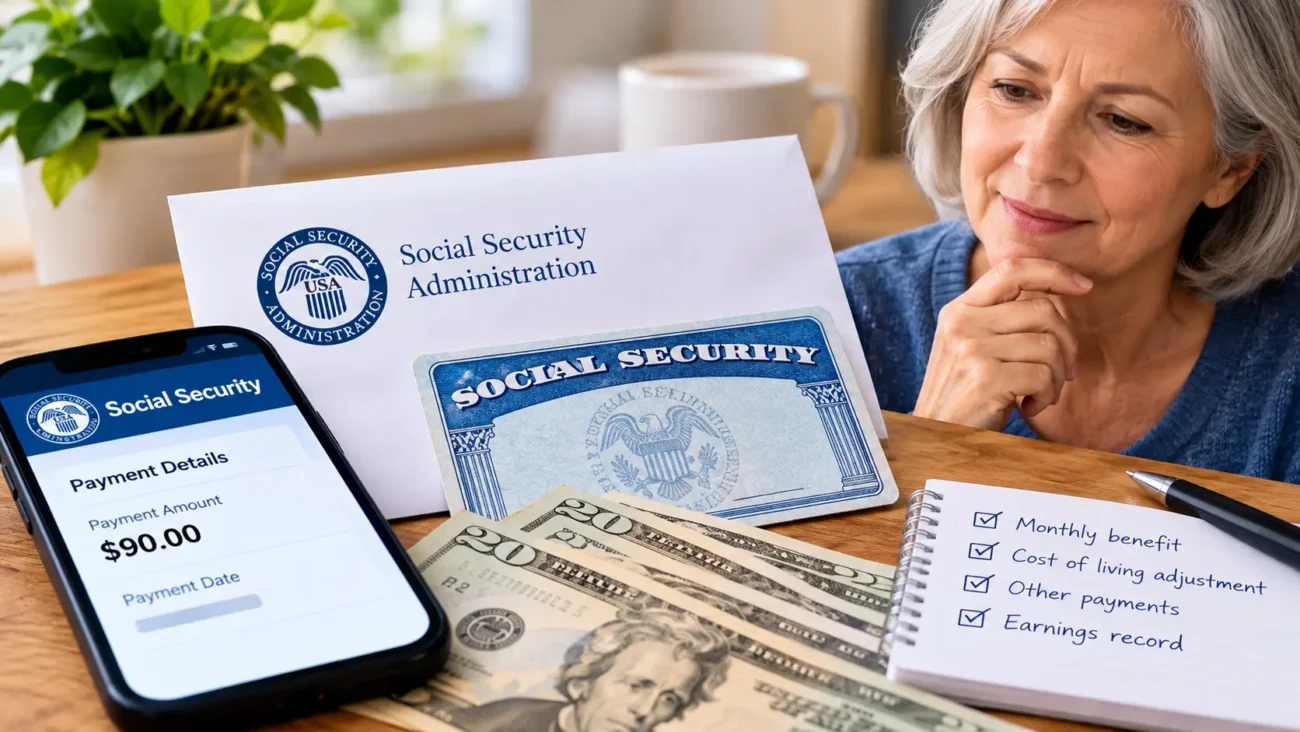
The $90 is a one-time Medicare payment, not a Social Security benefit. It’s meant to help cover the rise in your Medicare Part B premium. Social Security simply delivered the money for you, which is why it showed up in your Social Security deposit or alongside your regular check.
If that’s all you needed, you’re sorted. If you want the full picture, read on.If you are asking yourself, “Why did I get $90 from Social Security?”, you are not alone. Many beneficiaries have recently noticed an unexpected $90 direct deposit or check, leading them to wonder where this payment came from and whether it is a permanent increase or a one-time Medicare adjustment.
What Is This $90 Payment, Really?
Let’s dispel the mystery straight away. The $90 you’re talking about is not additional Social Security benefits, it’s not a raise, and it’s certainly not your yearly cost of living adjustment coming early.
What it is, is a one-time rebate on the Part B premium for those enrolled in Medicare Part B, which covers physician services, outpatient care, and preventive screenings. The monthly premium for Part B jumped from $185 a month to $202.90 in 2026, an increase of nearly $18 a month, or over $200 across the year. In an effort to offset some of that increase, a one-time $90 payment, pulled from a pot of money called the Medicare Improvement Fund. Congress had set aside $2 billion was budgeted several years ago for this very fund, but had never actually been budgeted until now.
In other words, your premium increased, and this is the amount of money the government is giving back to you to help offset some of that cost increase. Social Security did not raise your benefits, they simply took that money out of your bank account on the behalf of Medicare, since they have your mailing address on file.
Who Actually Qualifies for the $90?
This is where things get a bit narrow. Around 20.8 million people are getting this payment, but that’s only about a third of the roughly 63 million people enrolled in Medicare Part B. The other two-thirds — close to 40 million people — won’t see a penny.
Here’s the simple breakdown of who qualifies:
- You’re enrolled in Original Medicare (not a Medicare Advantage plan)
- You pay the standard Part B premium
- You do not pay an Income-Related Monthly Adjustment Amount (IRMAA), which is an extra charge for higher earners
- Your premium is not already covered by Medicaid or another assistance programme
If you tick those boxes, you likely qualify. If you’re on Medicare Advantage, have your premium paid by Medicaid, or earn enough to pay the higher IRMAA premium, you’re not eligible this time around.
Quick answer: The payment targets lower and middle-income seniors on traditional Medicare who pay their own premium in full.
How Does the Money Actually Arrive?
Most people are getting the $90 the easy way — a direct deposit from the Social Security Administration, arriving in early-to-mid October. If your bank details aren’t on file, you’ll instead get a paper cheque from the U.S. Department of the Treasury, sent to the address registered with Medicare.
Either way, keep an eye out for this wording on the payment:
“Medicare Improvement Fund Payment; $90 Payment to Offset October Premium”
That label is your confirmation the money is genuine and tied to Medicare, not a random deposit or an error.
Why Does It Show Up Under “Social Security” Then?
Fair question. The short answer is that they’re administered by different government agencies. Social Security already pays out benefits to millions of retirees every month. It would be much easier to have them handle this one-time Medicare rebate as well, using the same bank information they already have on file.
That’s why the payment shows up as coming from Social Security. All it really means is that the money had to go through their system in order to get to you.
What If I Didn’t Get the $90?
Don’t panic. A missing payment usually comes down to one of these reasons:
1. You’re not eligible — check the qualifying list above
2. Your payment is still processing — not everyone’s deposit lands on the same day
3. Your details need checking — an old address or bank account can delay a cheque
If it’s past mid-October and you believe you should qualify, there are two numbers worth calling:
- Social Security Administration: 1-800-772-1213 — to check on the status of your payment
- Medicare: 1-800-MEDICARE (1-800-633-4227) — to confirm your eligibility
Have your Medicare number ready before you call; it speeds things up considerably.
Could This Be a Scam?
With any government payment, scammers tend to follow close behind, and this one is no different. A few rules to keep you safe:
- Social Security and Medicare will never ask you to pay a fee to release this payment
- They will never call, text, or email asking for your bank login or Social Security number to “process” the $90
- The payment is automatic — you don’t need to apply, confirm, or click any links to get it
If you get a message asking for personal details in exchange for the $90, it’s a scam. Hang up, delete it, and if in doubt, call Social Security directly using the number above (not one given to you in a text or email).
Quick Answers: Your Top Questions
Is this a permanent increase to my Social Security benefit?
No. It’s a one-time Medicare rebate, paid once and not repeated monthly.
Does this affect my 2027 cost-of-living adjustment?
No. The COLA is calculated separately and isn’t connected to this payment.
Do I need to apply for the $90?
No. Eligible people receive it automatically — no forms, no applications.
What if I’m on Medicare Advantage?
You won’t qualify. This rebate only applies to Original Medicare enrollees paying the standard Part B premium.
Will I get taxed on the $90?
It’s treated as a rebate on a premium you already paid, not new income, so most recipients won’t owe tax on it. If you’re unsure, a tax professional can confirm your specific situation.
The Bottom Line
If $90 landed in your account with Social Security’s name attached, the simplest explanation is usually the right one: you’re one of the roughly 20 million Americans receiving a one-time Medicare Part B rebate to help offset this year’s premium increase. It’s real, it’s automatic, and for most people, no action is needed.
Resources & Further Reading
White House Fact Sheet: Medicare Improvement Fund Payments for Seniors
CBS News: Why you just got a $90 Social Security check — and why 40 million seniors didn’t


