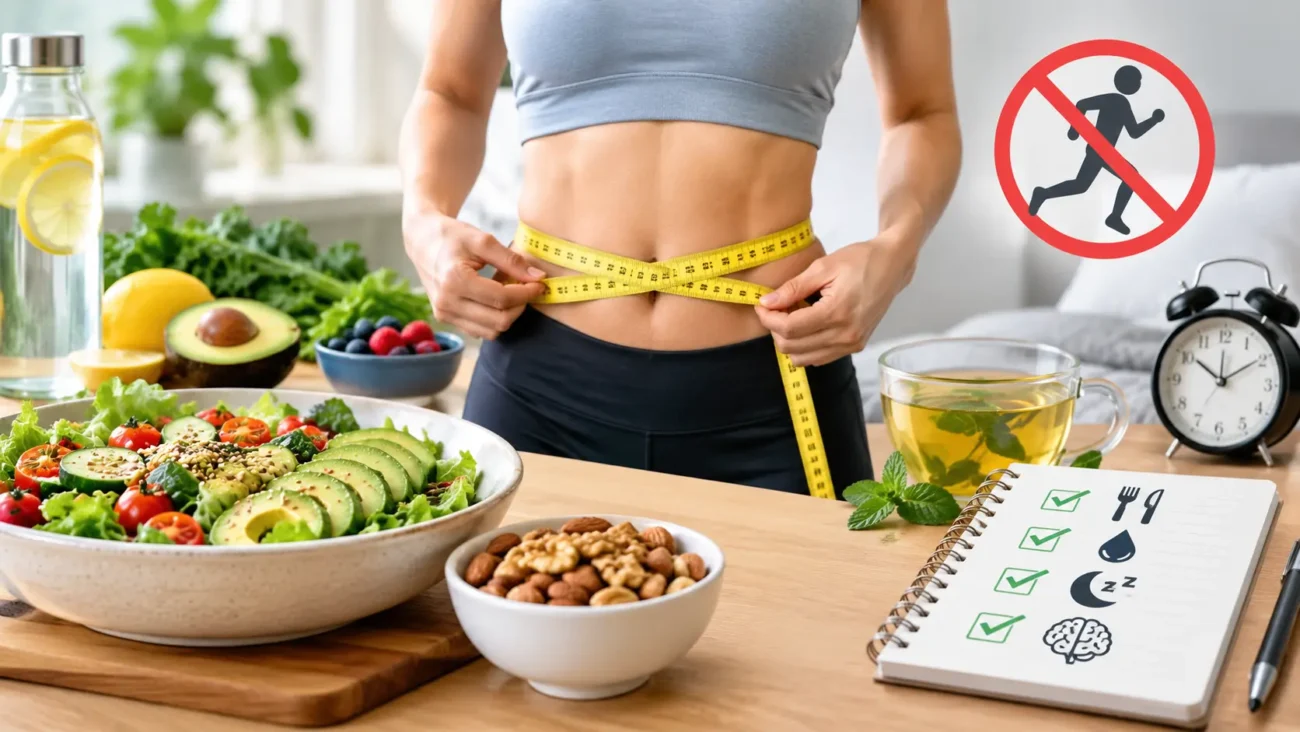
| Quick Answer Yes, you can lose weight without exercise. The science says it comes down to eating fewer calories than your body burns, mostly through better food choices. Eating more protein and fibre, drinking water before meals, sleeping 7 to 9 hours a night, and cutting back on sugary drinks are the habits with the strongest research behind them. A realistic, healthy pace is 1 to 2 pounds a week, according to the CDC. |
Not everyone can work out five days a week. Perhaps you have bad knees or a busy work schedule, or maybe you just hate to exercise (yes, there are people who have that problem). Studies have shown that the food you eat plays a far greater role in weight loss than does exercise. Most nutritionists and dieticians believe that losing weight is primarily a matter of diet, with exercise playing a major role in helping you keep it off.
This article is for the people who want to lose weight but can’t work out regularly; here’s what you need to know about healthy eating to achieve that lean, mean, calorie-burning body you always wanted.
Why Diet Matters More Than the Treadmill
Here’s the thing. It’s much easier to cut out 300 calories than it is to exercise that away. It takes 30 minutes of running to burn off one blueberry muffin. That’s why so many people who exercise don’t see a change in their weight. They need to control their diet in order to make sure they are losing fat and not muscle.
7 Ways to Lose Weight Without Exercise
1. Eat More Protein
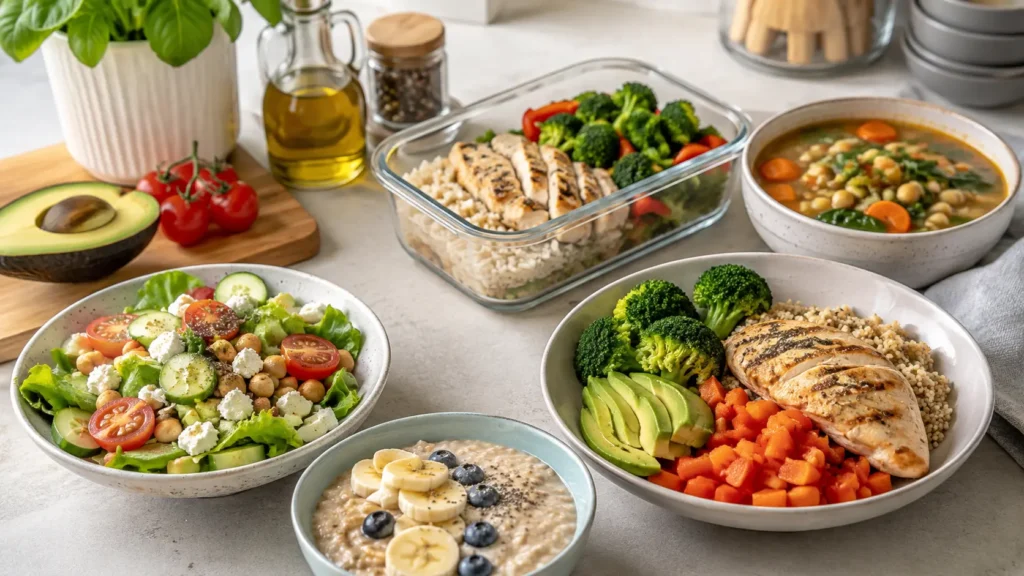
Protein keeps you fuller for longer than carbs or fat, which means fewer cravings and less snacking. Eggs, chicken, fish, Greek yoghurt, beans and lentils are all easy swaps. Try adding a source of protein to every meal, including breakfast — it’s one of the simplest habits that nutrition researchers keep coming back to.
2. Fill Up on Fibre
Fibre rich foods such as vegetables, oats and wholegrains, are filling and help to slow down the digestion process so you absorb fewer calories. Most adults are deficient in fibre in their diet, a simple solution is to add a vegetable or piece of fruit to every meal and eat wholegrain breads and rice instead of white ones.
3. Drink Water Before Meals
This one sounds too simple to work, but it does. Drinking a glass of water 20 to 30 minutes before eating can help you feel fuller and naturally eat less. Sometimes your body mistakes thirst for hunger anyway, so staying hydrated cuts down on pointless snacking too.
4. Get Enough Sleep
Skimping on sleep messes with the hormones that control hunger — ghrelin (which makes you hungry) goes up, and leptin (which tells you you’re full) goes down. That’s a recipe for overeating the next day. Aim for 7 to 9 hours a night. It’s one of the most overlooked weight loss tools there is.
5. Practise Mindful Eating
The faculty of the Harvard School of Public Health has written extensively on the subject of mindful eating. As you read this article, you might be eating a sandwich while watching television and not paying much attention to how you are eating. Mindful eating practices promote slower eating, improved chewing (which aids digestion), and greater enjoyment of food. Put down that fork!
6. Cut Back on Liquid Calories
Fizzy drinks, sweetened coffees, and fruit juices can add hundreds of calories a day without making you feel full at all. Swapping just one sugary drink a day for water or black coffee is one of the easiest changes you can make, and the calorie savings add up fast over a month.
7. Manage Your Stress
Stress raises cortisol, a hormone linked to increased appetite and fat storage, particularly around the belly. Simple stress-busters — a short walk, breathing exercises, journalling, or just switching off your phone for half an hour — can help keep cravings in check.
How Fast Can You Really Lose Weight Without Exercise?
Avoid anything that promises dramatic results in a short period of time. The CDC recommends a 1–2 pound healthy and sustainable rate of weight loss per week, which can be achieved by a daily calorie deficit. Losing weight at a faster rate than 1–2 lbs weekly often results in water weight and loss of muscle mass. Additionally, it is much harder to maintain. Slow and steady wins the race – those that keep the weight off in the long-run are typically those that have lost it gradually.
The Bottom Line
You don’t need a gym membership to lose weight. Small, consistent changes to your eating habits, sleep, and stress levels can make a real difference over time. Pick one or two habits from this list, stick with them for a few weeks, and build from there. Sustainable weight loss isn’t about perfection — it’s about habits you can actually keep up.
FAQs
Can I lose weight without exercising at all?
Yes. Diet has a bigger impact on weight loss than exercise. Eating a calorie deficit through better food choices — more protein, more fibre, fewer sugary drinks — can lead to steady weight loss without any structured exercise.
How many calories should I cut to lose weight without exercise?
The CDC suggests a deficit of around 500 calories a day supports a healthy loss of about 1 to 2 pounds a week. This varies by individual, so it’s a general guide rather than a strict rule.
What is the fastest way to lose weight without exercise?
There’s no truly “fast” safe way — but combining more protein and fibre, drinking water before meals, sleeping well, and cutting sugary drinks gives you the quickest realistic results without harming your health.
Does drinking water really help you lose weight?
Yes. Drinking water before meals can reduce how much you eat, and staying hydrated prevents you from mistaking thirst for hunger, which often leads to unnecessary snacking.
Why is sleep linked to weight loss?
Poor sleep disrupts hunger hormones, making you hungrier and more likely to crave high-calorie foods the next day. Getting 7 to 9 hours of sleep supports better appetite control.